The Gap Between the Till and the Kitchen
Most restaurant POS systems in Nigeria stop at the till. An order is taken, payment is recorded, and everything after that depends on a server walking to the kitchen and saying it out loud, or a paper slip that gets handed through a window. Orders get missed, kitchens work from memory, and nobody at the front knows how far along a table's order actually is.
A Kitchen Display Instead of a Shouted Order
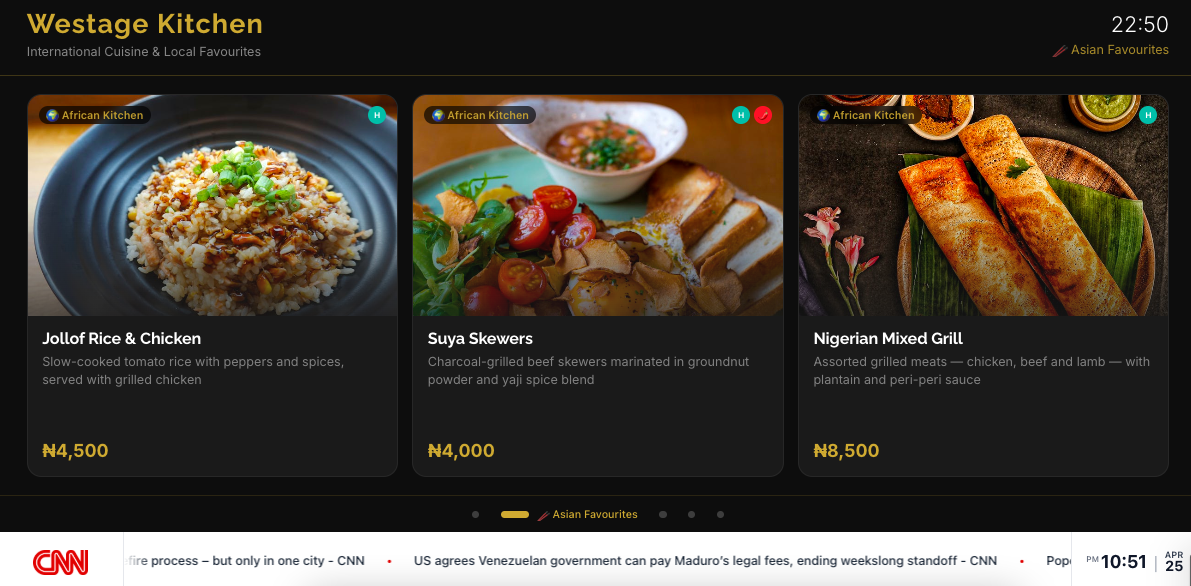
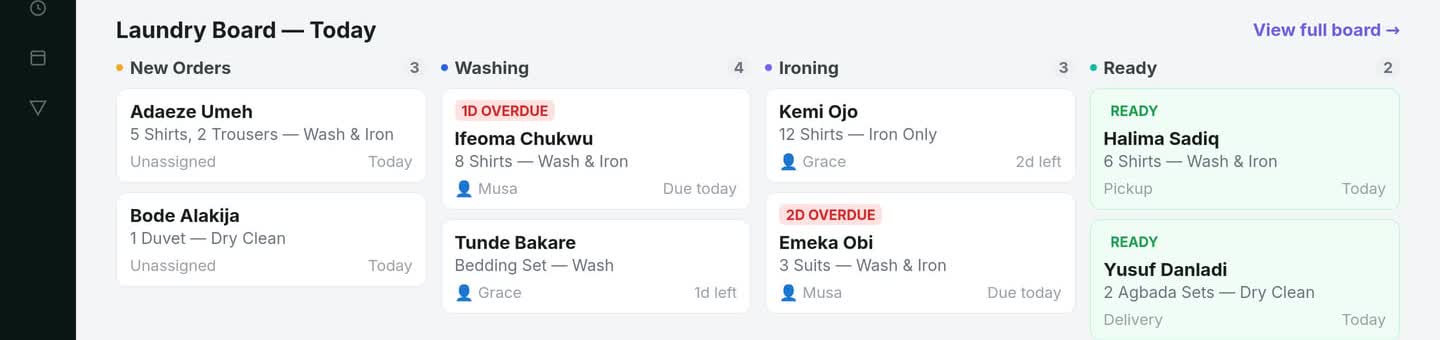
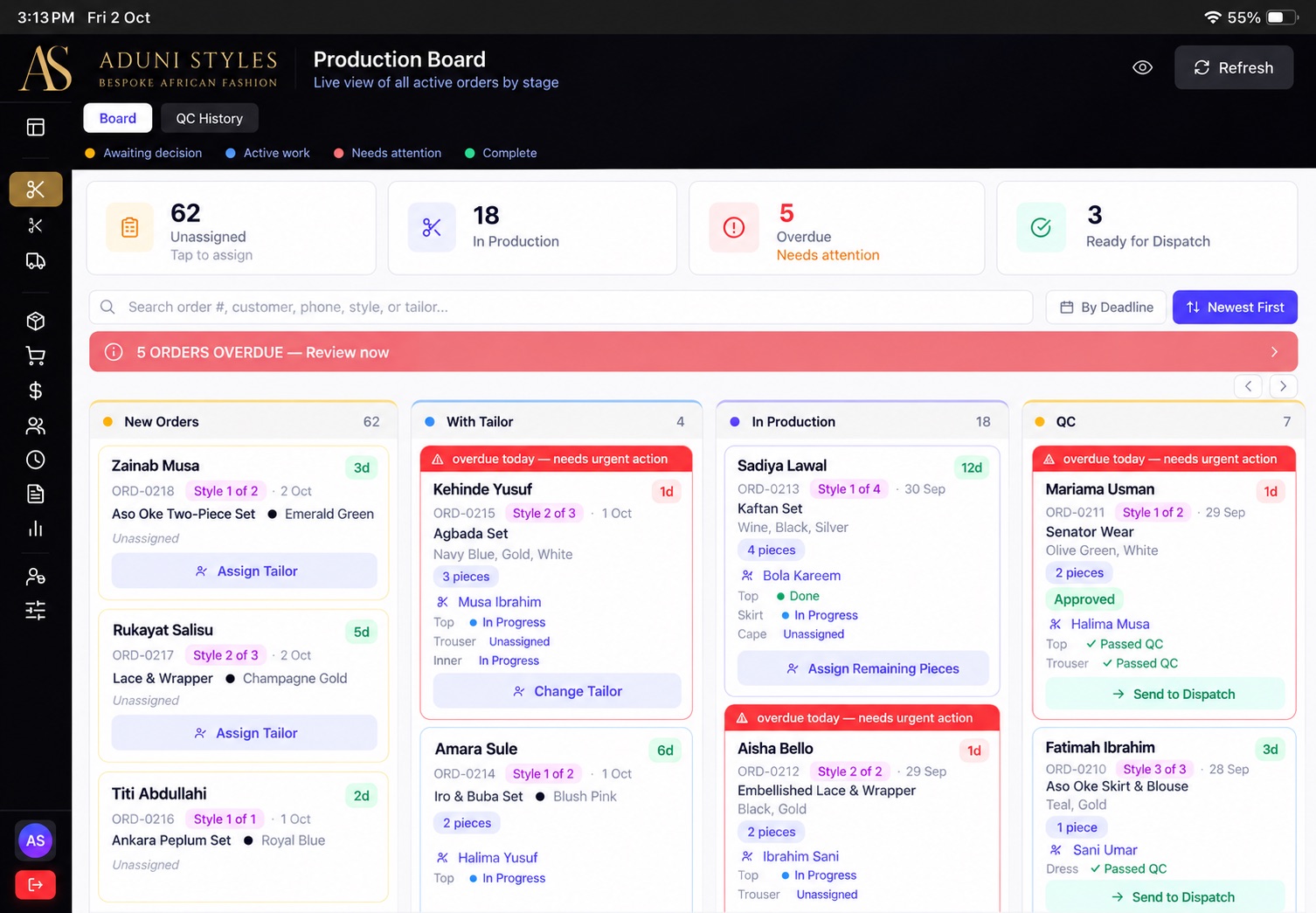
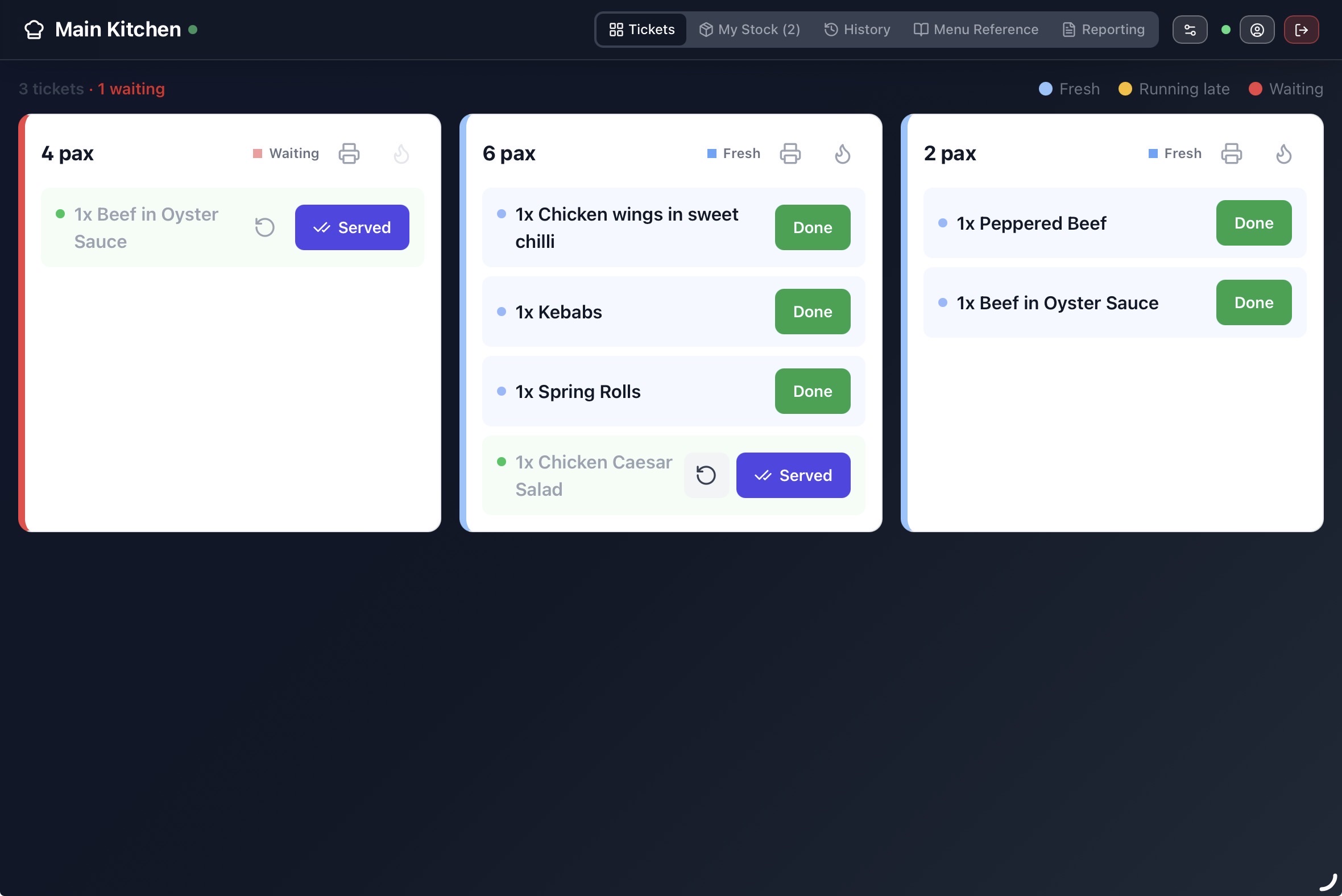
With a kitchen display system, every order placed at the POS appears on a screen in the kitchen the moment it is taken, by table and by item, with timestamps so the kitchen can see what has been waiting longest. Nothing depends on a server remembering to pass along a table's order correctly.
As items are prepared, the kitchen marks them done from the same screen, and that status is visible back at the front, so staff know when a table's food is actually ready without walking back to check.
A Floor Plan That Matches the Room
A visual floor plan mirrors the actual layout of the restaurant, table by table, so staff can see at a glance which tables are seated, which are free, and which have an order sitting in the kitchen.
One System From Order to Accounting
Because the POS, kitchen display, and floor plan sit on one platform, an order placed at a table flows straight through to inventory, so ingredient stock reduces automatically, and into accounting, so revenue is recorded without anyone re-entering it later. Costing tools show the real margin on every dish, not an estimate from months ago.
Getting Started
See full pricing for restaurants and bars at opsuite.io/sectors/restaurant.