Why Fashion Businesses Outgrow a Paper Order Book Fast
A single tailor with a handful of clients can run on memory and a notebook. The moment a fashion business adds a second or third tailor, or starts taking more than a few orders a week, that approach stops working. Measurements get written on whatever paper is nearby and go missing. Nobody can say with certainty which stage an order is at without asking the tailor directly. Deliveries slip, and the owner only finds out when a customer calls to complain.
Measurements That Do Not Get Lost
Every customer's measurements are recorded once in their profile and stay there for every future order, searchable by name or phone number instead of a torn page in a drawer. When a returning customer places a new order, their measurements are already on file.
A Production Board Instead of Guesswork
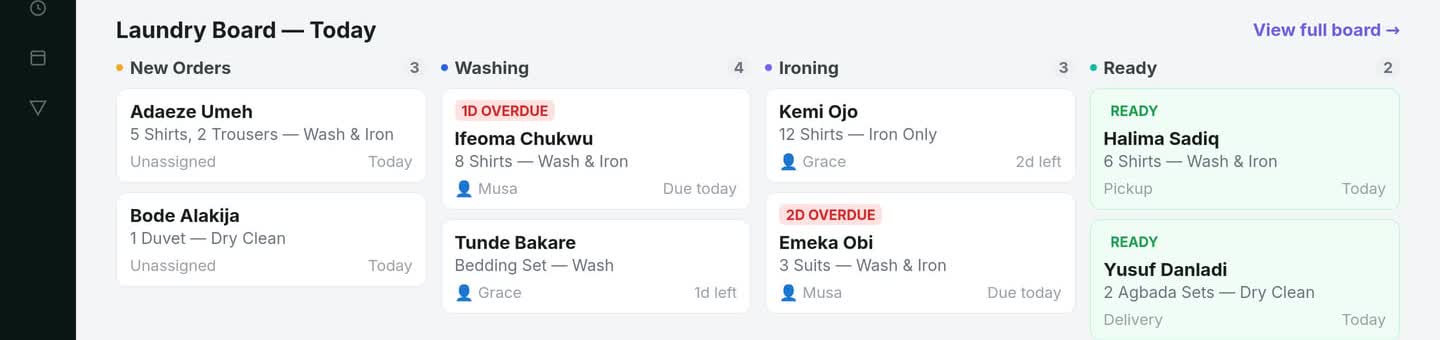
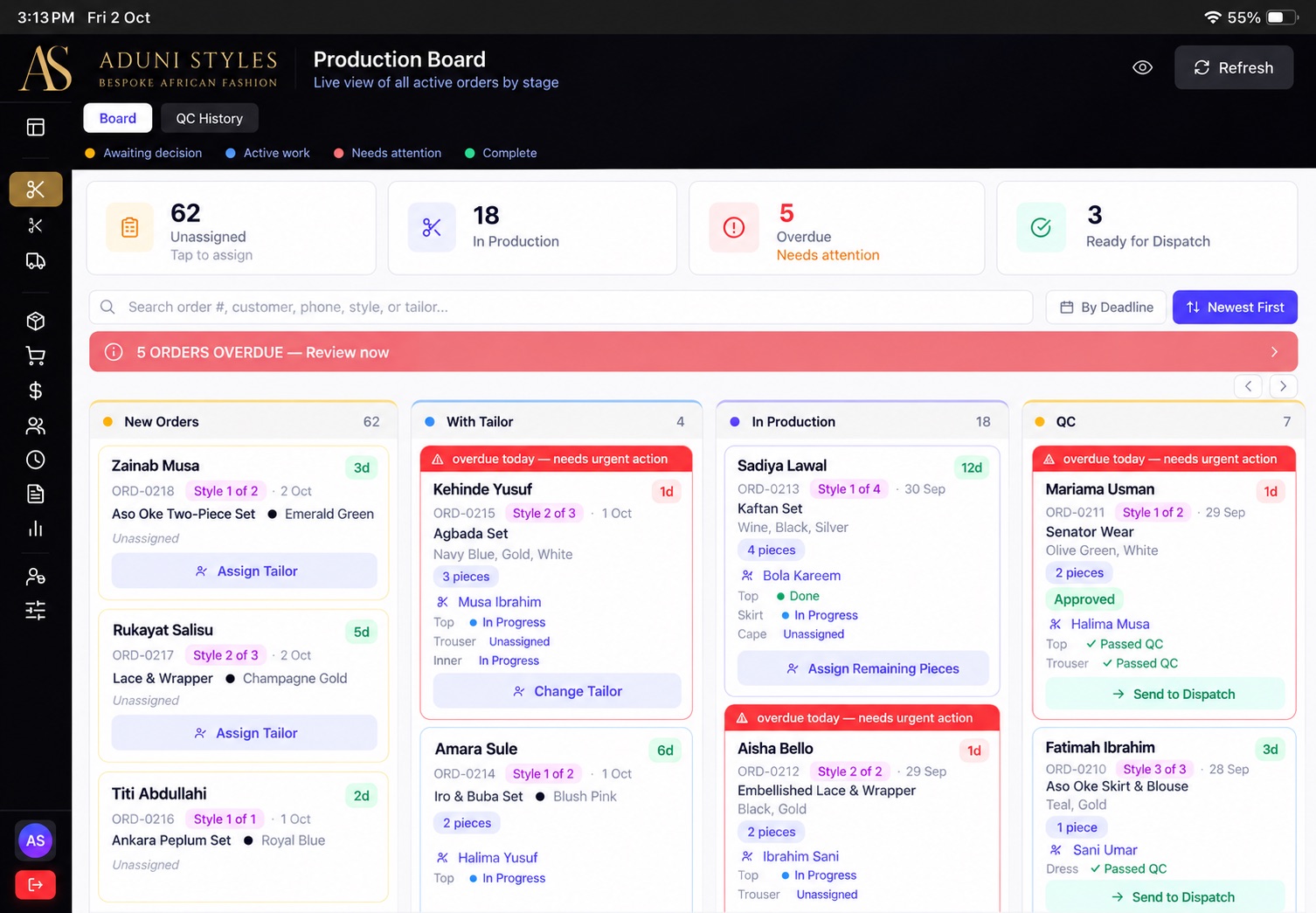
Every order moves through a visible production board, from cutting through sewing to finishing and delivery. Instead of walking round the workshop to ask what stage an order is at, anyone can look at the board and see it immediately, including which orders are running late before a customer has to point it out.
A quality-control queue sits before delivery, so a finished piece gets checked against the original order before it goes out, not after a customer has already picked it up.
Customers Know Without Calling
Customers get SMS updates as their order moves through production, the same way they would from any modern delivery service, so “is it ready?” calls stop being the default way customers check in.
One System for the Whole Business
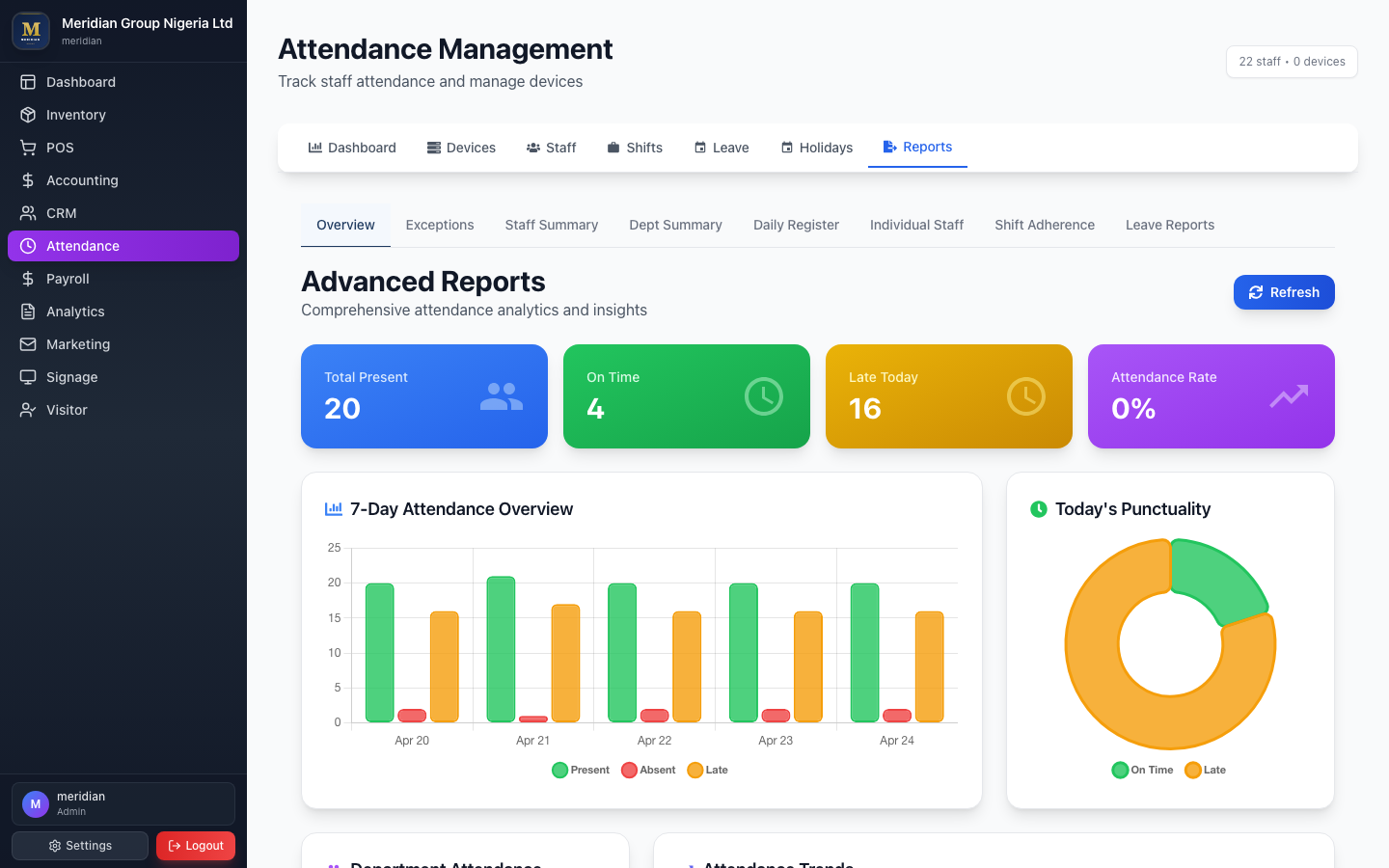
Behind the production board, the same platform handles order intake and payment, raw material and finished goods inventory, staff attendance and payroll, and accounting, so a growing fashion business is not running a production board in one tool and its books in another.
Getting Started
Pricing is banded by how many tailors you run, from a single tailor up to a full workshop. See full pricing at opsuite.io/sectors/fashion.